Burkina Faso Blocks Gates’ Mosquito Project: A Bold Step for Africa’s Scientific Sovereignty

Genetically Modified Mosquito
By Dr. Michael Omoruyi, iNewsAfrica | August 24, 2025
When news broke on August 22, 2025, that Burkina Faso’s military-led government had halted the Gates Foundation–backed Target Malaria project, it sent shockwaves through the global health community. To many outside observers, the move seemed rash—an abrupt disruption of a supposedly lifesaving innovation. But for many Africans, it was not a reckless gamble with public health. It was a declaration: Africa must have the right to decide its own scientific destiny.
A Clash Between Innovation and Sovereignty
Target Malaria, supported by the Bill & Melinda Gates Foundation, had been testing genetically modified mosquitoes in Burkina Faso since 2019. The plan was ambitious: release male-biased, gene-modified mosquitoes that could shrink populations of malaria-transmitting species. In theory, the innovation could save millions of African lives.
But theory is not practice. Civil society groups warned of ethical blind spots and ecological risks. What if tinkering with mosquito genetics disrupted ecosystems in ways science had not fully measured? What if the technology created new imbalances instead of solving malaria? For communities in Burkina Faso—where foreign “experiments” are often carried out on local populations without equal partnership—the skepticism was justified.
Why Burkina Faso Said “No”
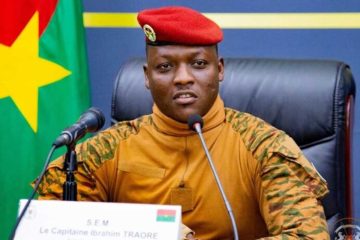
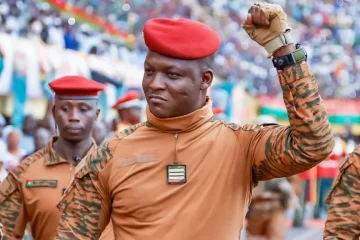
The government’s decision was about more than mosquitoes. It was about power and trust. The same week Burkina Faso halted Target Malaria, it also revoked licenses for over 20 foreign NGOs. Captain Ibrahim Traoré’s junta is clearly signaling a pivot: less dependency on outside actors, more emphasis on sovereignty.
Critics argue that halting malaria innovation is a step backward. Yet one must ask: Is Africa destined to remain a laboratory for Western experiments? Or is it time to build homegrown solutions rooted in local science, African priorities, and transparent engagement with the very communities most affected?
The Larger African Question
Burkina Faso’s stand forces us to confront uncomfortable questions:
-
Why should Africa’s public health future be decided in Seattle boardrooms instead of African universities?
-
Can Africa lead in biotech innovation, rather than merely receive technologies?
-
And most importantly, how can health innovation respect both human dignity and environmental safety?
Beyond the Gates
The fight against malaria is too urgent to stall. But the solution cannot be imposed from the outside. If anything, Burkina Faso’s decision is a call for African governments, scientists, and regional bodies like the African Union to step up and lead. Africa’s greatest strength lies not in rejecting science, but in shaping it.
Perhaps the legacy of this moment will not be the suspension of a project but the ignition of a new movement—one where Africans insist on being full partners, not test subjects, in the fight for their future.
About the Author
Dr. Michael O. Omoruyi is a technologist, educator, and the author of “From Grit to Grace: A Memoir of Roots, Resilience, and Reinvention.” He currently serves as Director of Diaspora Affairs for the LPPMC and advocates for youth inclusion and African innovation.



Leave a reply


Email: [email protected]