By Dr. Michael Omoruyi
Africa, a continent of immense beauty, diversity, and promise, continues to carry a heavy stain—the recurrence of genocide. From Rwanda to Darfur, from the Central African Republic to Tigray, the blood of innocent men, women, and children has soaked the soil too many times. The question that demands urgent reflection is: Why is genocide still happening in Africa? And more importantly, how can we, as Africans, end it once and for all?
The Echoes of a Violent Inheritance
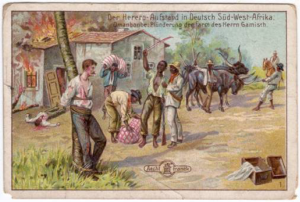
The seeds of many of Africa’s genocides were sown long before independence. Colonial borders ignored ethnic realities. Divide-and-rule strategies institutionalized favoritism and exclusion. What was left behind was a legacy of mistrust, fractured identity, and state structures too weak to unify diverse peoples.
But we cannot blame only the past. Today’s leaders and institutions must also account for their failures. Genocide does not occur overnight. It is cultivated—through propaganda, scapegoating, political manipulation, and the silence of bystanders.
Power Without Principle Breeds Bloodshed
Too many African leaders view power as entitlement, not stewardship. They weaponize ethnicity to divide and dominate. They silence dissent, undermine justice, and manipulate security forces. In such climates, dehumanization becomes policy—and genocide becomes a tactic.
Take Rwanda in 1994. Or Darfur in the early 2000s. Or more recently, the horrors in Ethiopia’s Tigray region. These were not spontaneous outbreaks of violence; they were calculated, state-enabled campaigns of extermination.
Why the World Turns Away—And Why Africa Must Not
International reactions to genocide in Africa often arrive late, with limited action and hollow regret. The global community wrings its hands while bodies pile up. Strategic interests usually trump humanitarian urgency.
But Africa cannot wait for outsiders to save it from itself. The responsibility to protect African lives must first and foremost lie with African leaders, civil society, and the people.
Breaking the Cycle: A New Path Forward
So, how do we end genocide in Africa? Not by speeches alone, but by structural, cultural, and political transformation:
Strengthen Democratic Institutions: We need transparent governance, free press, independent courts, and inclusive political systems that embrace—not suppress—diversity.
Build Early Warning and Rapid Response Systems: The African Union and regional blocs must be empowered to detect early signs of genocidal threats and act swiftly—before crisis becomes catastrophe.
Invest in Peace Education and Reconciliation: Teaching tolerance and building a shared national identity from primary school through public service is essential. Peace is not inherited; it is cultivated.
Demand Accountability: No leader or warlord should escape justice. Whether through national courts or the International Criminal Court, accountability must be swift and uncompromising.
Promote Economic Equity and Environmental Security: Poverty and competition for dwindling resources are silent accelerants of genocide. Equitable development and climate resilience are peace strategies too.
Empower Women and Youth: Those most often victimized are also the greatest untapped force for peace. Women and youth must be at the center of peacebuilding, policy-making, and community resilience.
The African Renaissance Cannot Be Built on Graves

We say “never again” after every genocide. And yet, again and again, it happens.
If Africa truly seeks a renaissance, it must begin with the sanctity of human life. Genocide is not an ethnic issue, a tribal issue, or a regional issue. It is a human issue. A failure of leadership. A failure of empathy. And a failure of us all—when we remain silent.
The time for declarations is over. The time for action is now. For the sake of future generations, Africa must choose justice over revenge, unity over division, and life over death.
Dr. Michael Omoruyi writes from New York City. He is an author, educator, and advocate for African unity, justice, and transformation.


Leave a reply


Email: [email protected]