Pan-Africanism: Why the Struggle for True African Freedom Is Not Over
By Dr. Michael Omoruyi | Op-Ed for iNewsAfrica
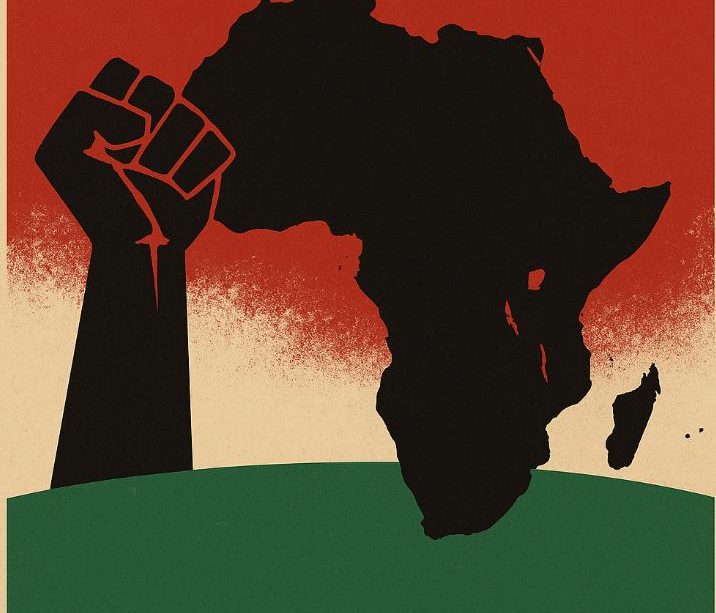
Pan-Africanism has always stood at the crossroads of African destiny. It emerged as a bold declaration that Africa must define itself, speak for itself, and chart a future liberated from all forms of domination—political, economic, cultural, and now digital. Today, as the continent faces shifting global power structures and internal contradictions, the vision of Pan-Africanism remains not only relevant but urgently necessary.

The Legacy of Liberation—and the Work Ahead
The pioneers of Africa’s liberation fought to dismantle the structures that oppressed the continent and suppressed its people. Their generation won the political battle, but the economic and ideological dimensions were left to us. Independence created a doorway; Pan-Africanism was meant to build the house.
Yet, Africa’s sovereignty still faces pressure—from extractive economic arrangements, resource exploitation, and external geopolitical influence. The forms have changed, but the stakes remain the same: Africa must guard its agency in an increasingly complex global environment.
Identity as Power: Restoring Africa’s Voice
Pan-Africanism challenged Africans everywhere to reclaim their sense of identity and cultural pride. Today, this battle is as important as ever. For decades, Africa has often been defined by external narratives—portrayed through stereotypes, oversimplifications, or outright misinformation.
Reclaiming identity today means controlling our stories, shaping our digital presence, and ensuring that African heritage, values, languages, and innovations take their rightful place in global discourse. Cultural sovereignty is no longer symbolic; it is strategic.
Resource Control and Human Dignity
Across the continent, land, natural resources, and community spaces are more contested than ever. Multinational corporations, foreign governments, and local elites often determine the fate of Africa’s most valuable assets. Pan-Africanism insists that true dignity comes from ownership—of land, minerals, innovation, and economic pathways.
Whether it is oil in the Niger Delta, cobalt in the DRC, gold in Ghana, or farmland in East Africa, the central question remains: Who controls Africa’s wealth—and who benefits from it?
This unresolved struggle is at the heart of the Pan-African mission.
Continental Solidarity: Africa’s Real Strategic Advantage
The architects of Pan-Africanism understood that no African nation can thrive in isolation. In a world defined by vast blocs—Europe, the Americas, Asia—Africa’s power lies in unity.
Today, conflicts in one region disrupt economies across the continent. Elections in one nation influence regional stability. Policy failures in one state weaken continental leverage in global negotiations.
Real Pan-Africanism requires shared purpose, coordinated decision-making, and a recognition that Africa’s strength is collective, not fragmented.
Building an Economy That Serves Africans First
The most ambitious promise of Pan-Africanism was the creation of an Africa-centered economic model. For decades, Africa has been positioned at the bottom of global value chains—exporting raw materials while importing finished products at high cost.
To break this cycle, Africa must:
-
industrialize
-
manufacture at scale
-
strengthen intra-African trade
-
protect intellectual property
-
invest in technology and digital sovereignty
-
empower local entrepreneurs and innovators
The African Continental Free Trade Area (AfCFTA) offers a path, but only if member states commit to transforming their economies—not just signing documents.
A Call to a New Generation of African Leaders and Thinkers
Pan-Africanism is not an ideology of the past; it is an instruction for the future. It challenges Africa’s youth, diaspora communities, scholars, policymakers, and innovators to complete the work began by the liberation generation.
Our era demands:
-
stronger African institutions
-
technological independence
-
resource protection
-
cultural confidence
-
political accountability
-
economic transformation
The earlier generation secured Africa’s political freedom. Ours must secure Africa’s power.
Pan-Africanism is unfinished—but its vision remains within reach.
The question is whether this generation will rise to fulfill the mandate.
About the Author
Dr. Michael O. Omoruyi is a technologist, educator, author, and leading voice on African development and diaspora engagement. Founder of iNewsAfrica, a platform dedicated to authentic African storytelling. Dr. Omoruyi is also the author of From Grit to Grace: A Memoir of Roots, Resilience, and Reinvention, and continues to champion digital literacy, African unity, and transformational leadership across the continent.
https://whatsapp.com/channel/0029VbAPrqI96H4JXXQrKP1V


Leave a reply Cancel reply


Popular Categories
- Trade 1
- Thailand 1
- Algeria 1
- Myanmar 1
- Guinea 1
- Finland 1
- Brazil 1
- Congo 1
- Morocco 1
- Ukraine 1
- ICJ 1
- Israel 1
- The Hague 1
- UNDP 1
- Book & Arts Spotlight 1
- Defense 1
- Culture 1
- Nepal 1
- Automobile 1
- Interview 1
- Fintech 1
- EV 1
- Tunisia 1
- ECCAS 1
- Terrorism 1
- Space 1
- BRICS 1
- Gabon 1
- Pakistan 1
- Togo 1
- Wildlife 1
- Global Diplomacy 1
- Vatican City 1
- Gambia 1
- Vietnam 1
- e-Elections 1
- Weather 1
- Chad 1
- United Nations 1
- Haiti 1
- Music 1
- London 1
- Travel 1
- Middle East 1
- Entertainment 1
- Celebration 1
- Zimbabwe 1
- Business 1
- Rome 2
- Education 2
- Russia 2
- New York City 2
- Angola 2
- Ethiopia 2
- Zambia 2
- World Bank 2
- Church 2
- Caribbean 2
- Science 2
- Somalia 2
- Health 2
- Lesotho 2
- France 2
- Benin Republic 2
- Rwanda 2
- India 2
- Namibia 2
- Cameroon 2
- Crime 3
- Economy 3
- Uganda 3
- Energy 3
- Democracy 3
- Transportation 3
- Aviation 3
- Libya 3
- Liberia 3
- Guinea-Bissau 3
- South Sudan 3
- ECOWAS 4
- China 4
- Tanzania 4
- UN 4
- UK 5
- Niger 5
- Egypt 5
- Mali 6
- Sudan 6
- Technology and Business 6
- Ghana 6
- DR Congo 7
- Burkina Faso 8
- Editorial 8
- Tech 9
- Politics 11
- World 11
- Opinion 13
- Kenya 14
- Sports 15
- People 16
- South Africa 18
- US 30
- Africa 75
- OP-ED 88
- Nigeria 140


Email: [email protected]