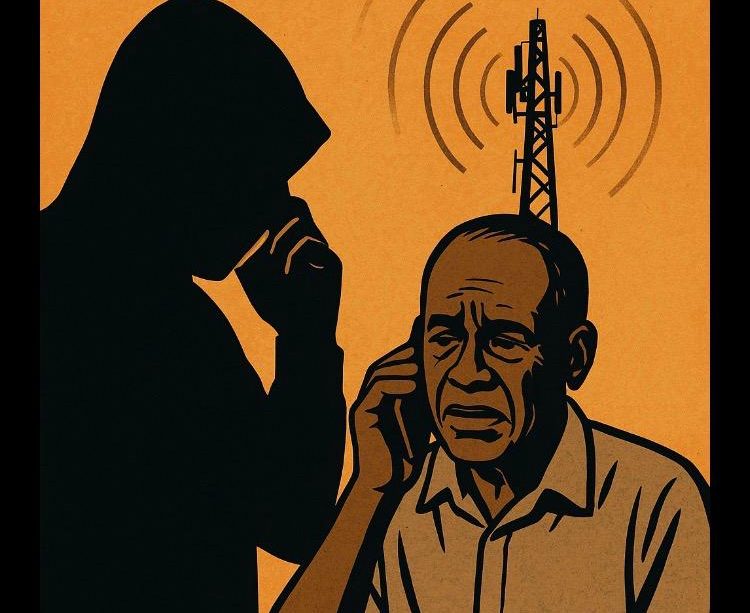
A shadowed voice on the line, a fearful listener at the other end—technology meant to connect lives becomes a tool of terror in Nigeria’s kidnapping crisis.
By Dr. Michael Omoruyi | iNewsAfrica
Across Nigeria, the chilling sound of a ringing phone has become synonymous with dread. On the other end is often a calm, calculated voice demanding ransom for a loved one. These calls sometimes stretch for days or even weeks—yet the perpetrators remain frustratingly elusive. In an era defined by satellites, biometrics, and digital footprints, Nigeria’s persistent inability to trace kidnappers who openly use mobile phones is both alarming and unacceptable.
This failure is not due to a lack of technology. It is the consequence of systemic weaknesses embedded in governance, security architecture, and institutional accountability.
The Structural Breakdown
A Compromised SIM Ecosystem
Nigeria’s SIM registration framework, though designed to enhance security, has been weakened by lax enforcement and corruption. Pre-registered SIM cards circulate freely, identities are falsified, and lines are easily recycled. Criminal networks exploit these gaps, confident that phone numbers will not lead investigators back to them.
Delayed Intelligence Activation
Modern crime-fighting depends on speed. In Nigeria, however, the process of tracking a phone is slowed by bureaucratic approvals, jurisdictional confusion, and poor coordination. By the time tracking is authorized, kidnappers have often changed locations or discarded devices.
Fragmented Security Architecture
Law enforcement agencies, intelligence services, telecom regulators, and network operators rarely function as a unified system. The absence of a centralized command-and-control protocol for kidnapping cases results in duplicated efforts, lost intelligence, and missed opportunities.
Capacity Gaps at the Frontlines
Many police commands lack advanced digital forensics tools, trained cyber-investigators, and modern surveillance equipment. In rural and forested regions—where kidnappings are most prevalent—response units are often under-resourced and outmaneuvered by criminals who know the terrain.
A Deep Trust Deficit
Fear and distrust lead many families to delay or avoid reporting ransom calls. Concerns about leaks, extortion, or retaliation persist, inadvertently giving kidnappers greater control over time and negotiations.
What Must Change—Now
Reboot Digital Identity Enforcement
A comprehensive nationwide SIM revalidation exercise—strictly tied to biometric National Identification Numbers—is essential. Non-compliant lines should be suspended without exception, and agents involved in fraudulent registrations must face prosecution.
Establish a Rapid Ransom-Call Protocol
Nigeria needs a standing, lawful mechanism that triggers immediate call tracing, triangulation, and geofencing the moment a ransom call is reported. Judicial oversight should be built in to protect civil liberties while ensuring speed.
Integrate Telecoms into National Security Operations
Telecommunications providers must be treated as strategic security partners. Secure, real-time data-sharing frameworks—transparent and accountable—should be institutionalized.
Modernize Tools and Training
The fight against kidnapping requires investment in AI-powered call analytics, signal intelligence, drones, and satellite surveillance in known hotspots. Equally critical is sustained training for cyber investigators, analysts, and rapid-response units.
Put Victims at the Center
Confidential reporting channels, whistleblower protections, and psychosocial support for affected families are vital. Early reporting can save lives—only if citizens trust the system meant to protect them.
A National Security Imperative
Kidnapping has evolved into a national security crisis, eroding public trust, stifling economic activity, and normalizing fear. When criminals exploit everyday technology with impunity, the authority and credibility of the state are fundamentally weakened.
Nigeria does not lack the tools to track ransom calls. What it lacks is the political will, institutional discipline, and ethical resolve to deploy those tools decisively. Until that changes, the phones will keep ringing—and the silence that follows will continue to define a nation under siege.
About the Author
Dr. Michael Omoruyi is a technologist, author, and Africa-focused public affairs analyst. He is the founder and publisher of iNewsAfrica, a digital media platform dedicated to authentic African narratives and governance discourse. With decades of experience in information technology, digital literacy, and public advocacy, Dr. Omoruyi writes extensively on security, technology, leadership, and Africa–diaspora relations.
Follow iNewsAfrica channel on WhatsApp:
https://whatsapp.com/channel/0029VbAPrqI96H4JXXQrKP1V


Leave a reply


Email: [email protected]