By Dr. Michael Omoruyi | iNewsAfrica Op-Ed
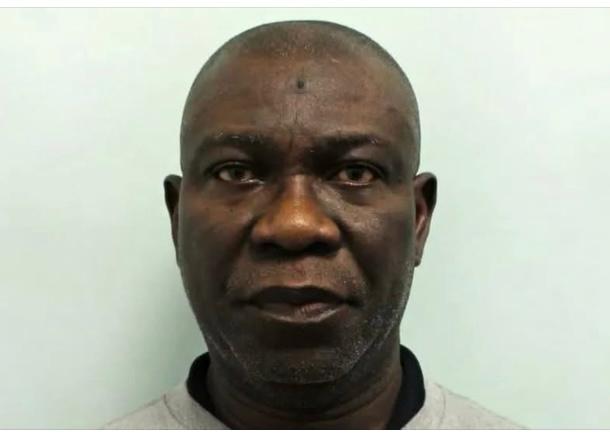
The unfolding controversy over the proposed transfer of former Deputy Senate President, Senator Ike Ekweremadu, from a United Kingdom correctional facility to a Nigerian custodial centre has once again exposed a familiar fault line: the deep moral and political contradictions of Nigeria’s leadership ecosystem.
Across the South-East, reactions are sharply divided. Some leaders are advocating for compassion, arguing that Ekweremadu—despite his conviction—is a son of the soil who deserves to serve his sentence closer to home. Others insist that such a move sends the wrong signal about accountability and justice, especially in a country where the powerful often expect special treatment simply because they are powerful.
But underneath these competing positions lies a bigger national question: What kind of society do we want to build?
A Continent Watching, A Region Split
For years, the South-East has prided itself on unity, resilience, and communal loyalty. Ekweremadu, once one of the most influential political figures from the region, was not just a politician—he was a symbol of strategic access to national power. His fall, therefore, naturally evokes emotion.
Yet the split among South-East leaders reveals something deeper: a struggle between sentiment and principle, between identity and integrity.
Those supporting the transfer argue from a humanitarian angle. They see him as a father, a community pillar, and a man who should be allowed the dignity of serving his term near his family. On the other hand, critics remind Nigeria that the crime for which he was convicted in the UK is grave—one that touches the very essence of human ethics. To them, bringing him home looks like another attempt to soften consequences for the politically connected.
A Test of Nigeria’s Commitment to Justice
International prisoner transfers are not unusual. They are legal, structured, and often humane. But in Nigeria’s context, the concern is whether justice will remain justice once home soil is reached.
The public fears that:
-
The sentence could be weakened,
-
Conditions could become negotiable,
-
And political influence might overshadow the rule of law.
If Nigeria wants to be taken seriously as a nation committed to justice—especially in the eyes of the international community—this case becomes more than the fate of one man. It becomes a litmus test.
The Lesson for Our Leaders
Ekweremadu’s case forces Nigeria to confront hard truths. Our leaders must recognize that power does not shield them from moral responsibility. When public officials fall short, the consequences—whether at home or abroad—must reflect the gravity of their actions.
At the same time, we must resist the temptation to allow public outrage to overshadow humanity. Justice can be firm and still be humane. It is possible to let a man serve his sentence near his family while still upholding the full weight of the punishment.
But such a balance requires a political class that places national credibility above personal loyalty—a standard Nigerian politics has rarely met.
A Moment for National Introspection
Beyond the debates, the Ekweremadu controversy is a reminder that Nigeria stands at a moral crossroads. Will we continue to send mixed signals about justice depending on who is involved? Or will we embrace a new culture where accountability is non-negotiable?
For the South-East, this is also a moment to demonstrate that true leadership means telling hard truths—especially when those truths involve one of their own.
For Nigeria, it is a chance to redefine justice in a way that strengthens our credibility at home and abroad.
History will judge not just Ekweremadu, but the nation that chooses how to handle his fate.
Follow iNewsAfrica channel on WhatsApp:
https://whatsapp.com/channel/0029VbAPrqI96H4JXXQrKP1V



Leave a reply


Email: [email protected]